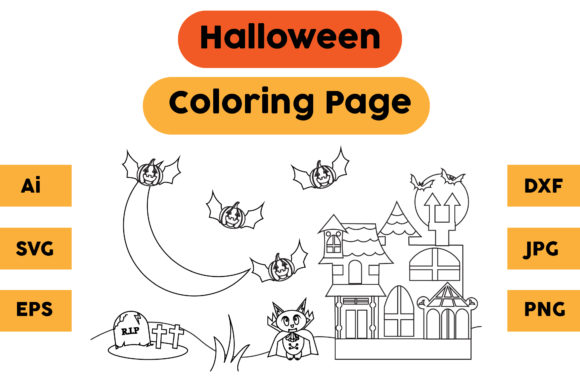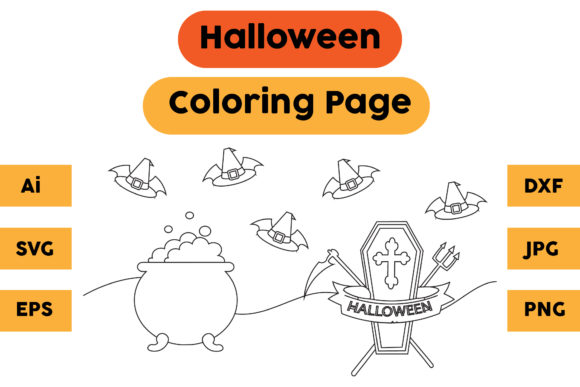
Halloween Coloring Page 82: An Embroidery Designer's Take
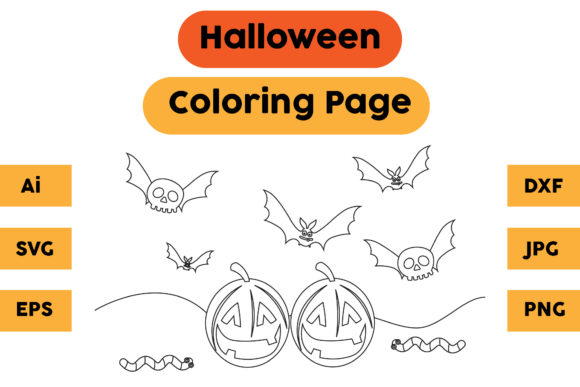
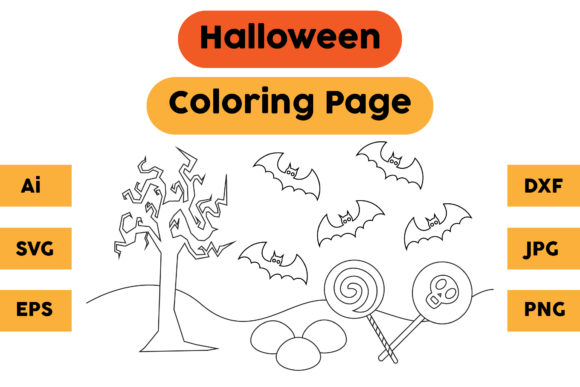
When you're scrolling through design assets for your next project, you want something that speaks immediately to your creative intent. Halloween Coloring Page 82 caught my eye as a graphic with a classic, playful Halloween mood. It feels like a nod to vintage Halloween imagery—the kind of thing that would evoke a smile rather than a scare. That’s a useful starting point for embroidery: you're looking for a visual personality that translates well into thread.
The Design Personality and Its Project Fit
First impressions matter, both for you as a designer and for your eventual customer. This design has a friendly, illustrative quality. The layout and detail level suggest it’s meant to be approachable, not overly intricate or menacing. That makes it a natural candidate for family-friendly products. I instantly pictured it on a child’s sweatshirt, a festive kitchen towel, or a cozy pillow cover for a holiday-themed living room. For a small shop owner or an Etsy seller, this kind of design can become a staple seasonal product—a go-to for Halloween merchandise that feels handmade and special.
Think about applying it to a custom embroidered tote bag for a fall market. The shapes are clear and would satin stitch beautifully, creating a bold, recognizable graphic that customers would associate with your brand's seasonal offerings. The theme is universal enough to work as a personalized gift, perhaps a baby’s first Halloween bib or a family name embroidered above it on an apron.
Performance in Real Embroidery Situations
Moving from the screen to the hoop is where a design truly proves its worth. With Halloween Coloring Page 82, the clear shapes are a major advantage. On apparel like t-shirts and sweatshirts, the design will stitch out with good clarity, provided you manage the stitch density appropriately. For a patch application, the outlines are defined enough to create a crisp edge, ideal for a standalone embroidered patch to sell at a craft fair or apply to a cap.
For larger surfaces like blankets or pillow covers, the canvas size provided should allow for scaling up without losing essential detail. On baby clothes or nursery decor, the friendly aesthetic pairs well with softer fill stitches. When I consider digital product sellers, this file set—including SVG and PNG—is excellent for creating printable mockups or previews for clients before stitching, which builds customer trust and engagement.
Where to Exercise Caution
Every design has its optimal applications and its trickier ones. With this Halloween graphic, pay close attention to small hoop sizes. If you're trying to miniaturize it for a delicate corner on a cap or a tiny detail on a tea towel, some of the illustrative elements might become too dense. On textured fabrics like some sweater knits, or stretchy fabrics without proper stabilizer, the larger filled areas could present challenges.
Dark fabric backgrounds require thoughtful thread color choices to maintain visual appeal—test this on scrap first. Also, on curved surfaces like caps, consider simplifying any potential tiny interior details to ensure stitching clarity. The design, by its nature, might have areas that are best suited for decorative accents rather than dense, all-over fill stitch on thinner fabric that will undergo frequent washing.
Practical Notes for Your Workflow
Before you commit this to a client project or a batch of boutique products, run through your standard checklist. Always test the embroidery file on scrap fabric of the same type you intend to use. Check thread color contrast against both light and dark backgrounds; a quick black and white mockup can help assess value contrast. Review the stitch density in your software—how will those larger areas translate?
Confirm the hoop size needed for your desired finished product size and inspect any small details for potential thread buildup. Use the proper stabilizer for your fabric. Crucially, check the provided file formats and the licensing terms before selling any finished items or commercial embroidery projects. The product description mentions AI, EPS, SVG, DXF, JPG, and PNG files, which is a robust set for both digital and physical creation, but always verify the specifics for your intended commercial use.
Adding Value to Your Handmade Business
Ultimately, a design like Halloween Coloring Page 82 is more than a graphic; it's a tool for building your craft business. Its visual appeal, when executed with clean stitching, enhances the perceived value of your product. It supports brand consistency if Halloween is a part of your seasonal lineup. The giftability is high—it’s a recognizable, festive motif perfect for holiday gifts.
For the creative entrepreneur, it represents a versatile design asset. It can anchor an entire line of Halloween-themed merchandise, from embroidered patches to custom apparel. It lends a professionalism to your work when the final product is neat and well-placed. This engagement with a classic, friendly Halloween theme can resonate deeply with buyers looking for that special handmade presentation.
So, as you plan your next embroidery project—whether it’s a personalized gift, small shop merchandise, or a commercial embroidery run for a client—consider how Halloween Coloring Page 82 fits into your real-world production. Its strengths lie in its clear, friendly personality and its adaptability across many products. Your careful application, attention to fabric and technique, and clear commercial understanding will transform this digital file into a finished product that truly delights.