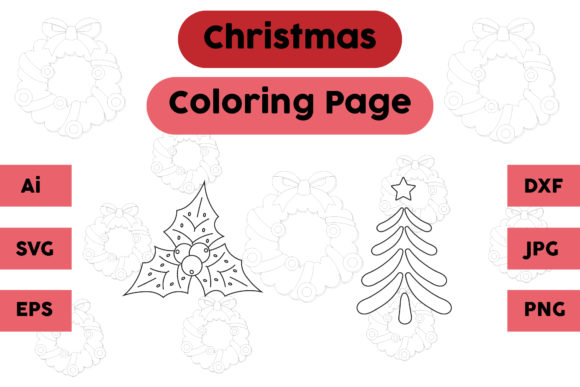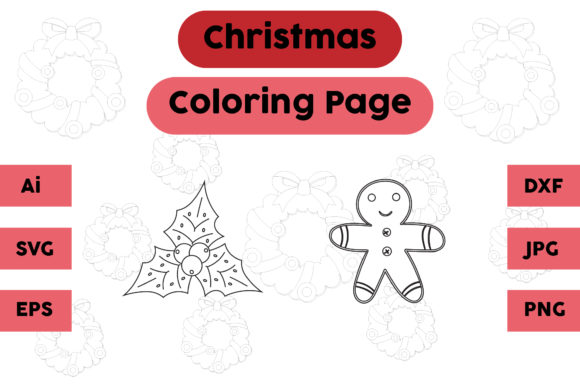
Plum Ginger Christmas Coloring Page for Embroidery
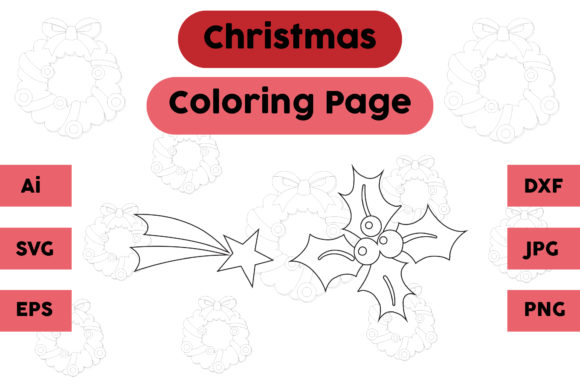
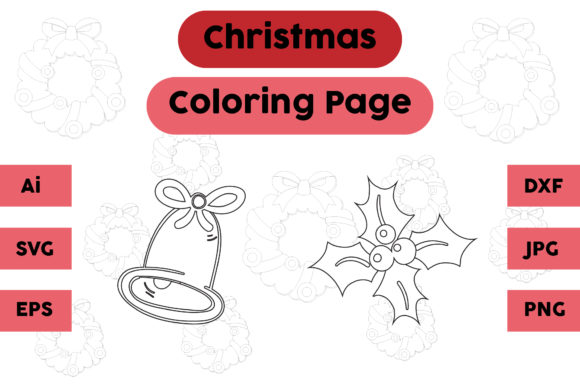
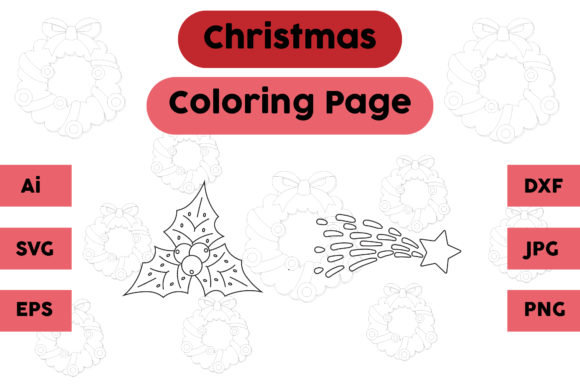
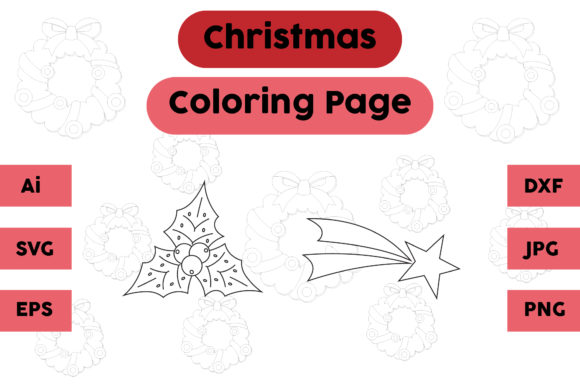
When a digital design lands on my screen, I look past the pixels and imagine the stitches. The Christmas Coloring Page Plum Ginger Set is one that immediately caught my eye not just as a graphic, but as a potential embroidery project. My first thought was of a cozy, hand-embroidered pillow cover for the holidays. The mood here is nostalgic and sweet—it’s not a loud, flashy Christmas graphic, but a gentle, storybook-style illustration. The "plum ginger" title suggests a warm, spiced character, and the layout with its central illustrated elements feels balanced and ready to be translated into thread.
Where This Design Finds Its Home in Stitched Form
This set’s visual personality is soft and detailed, making it a natural fit for projects where that handmade charm is the selling point. I pictured it on a linen tea towel as a gift for a host, or as a small, delicate motif on the corner of a baby’s holiday blanket. For small business merchandise, like an Etsy seller specializing in boutique kitchen textiles or nursery decor, this design adds value through its unique theme. It’s less generic than a typical snowman, offering a subtle, almost vintage holiday feel that resonates with customers looking for something special.
Thinking about real-life embroidery situations, I’d lean towards projects where the detail can shine without being overwhelmed. A tote bag made of a stable canvas would be perfect; the design’s size and presumed detail level (based on the canvas dimensions) would allow for clear satin stitches and fill stitches without puckering. For custom apparel, like a sweatshirt, it would make a lovely, understated holiday motif on a sleeve or pocket. As an embroidered patch, it could be a beautiful addition to a simple apron, turning a practical item into a festive, giftable product.
Navigating the Practicalities of Stitching This Design
While the aesthetic is inviting, a practical embroidery designer always considers the execution. The product description notes it's available in multiple vector and image formats—AI, EPS, SVG, DXF, JPG, PNG. This is excellent for flexibility. You can import the vector files into your embroidery software to create a clean machine embroidery design, using the image files for printable mockups or digital product previews.
However, the canvas size is given as 1920px by 1280px. This is a crucial starting point, but it doesn't directly translate to hoop size or stitch count. Before running any machine, you must determine your final embroidery size in your software. This design likely contains illustrative details—the "coloring page" style implies linework and shapes. You’ll need to inspect those small details in your software to ensure they’ll stitch out clearly, especially on textured fabrics like sweaters or on curved surfaces like caps. Dense stitch areas in small elements can be problematic.
- Always test on scrap fabric of the same type you plan to use. Check thread color contrast against your background fabric.
- Use a proper stabilizer for the fabric, especially for stretchy material or thin fabric, to prevent distortion.
- Consider stitch density. If the design has large filled areas, it might be heavy on thicker fabrics; adjust if necessary.
- For dark fabric backgrounds, plan your thread colors carefully to maintain the design’s light, festive mood.
The Scenarios That Demand Extra Care
This design’s charm lies in its detail, but that also dictates where it should be used carefully. I would hesitate to use it on very small hoop sizes unless the design is significantly simplified. Tiny lettering or intricate corners might not stitch cleanly on a highly textured fabric like a fleece blanket. For products that need frequent washing, such as baby clothes or kitchen towels, ensure your stitch structure is secure and your thread choices are durable to maintain the design’s clarity and appeal over time.
For layered garments or items with seams, like the shoulder of a cap, placement is key. You want the Plum Ginger design to sit on a flat, stable area of the cap to avoid puckering. The design’s value in a commercial embroidery project or for a craft business depends on this flawless execution—it boosts customer trust and the professionalism of your finished product.
From Digital File to Customer Engagement
When you stitch this design well, it affects everything. The visual appeal is high because it’s unique; it’s not another reindeer. That uniqueness increases product value and buyer engagement in a crowded holiday market. For personalized gifts, like adding a name beneath the illustration on a pillow cover, it creates a cohesive, handmade presentation that feels thoughtful. For brand consistency, if your small shop product line has a gentle, illustrated aesthetic, this Christmas Coloring Page Plum Ginger Set fits seamlessly.
As a digital product seller, offering this as part of a holiday embroidery file collection, its multiple formats are a strong selling point. But always advise your customers, as I advise you now, to confirm the specifics before using it. Check the licensing terms for this design—are you clear on whether it’s for personal use, commercial embroidery projects, or both? Never assume. This protects your business and your customers.
My final note is to test it in black and white mockups. This helps you see the structure without color distracting you. Compare how it looks on light and dark fabric backgrounds in your software preview. When the Plum Ginger design stitches out successfully on a real project—perhaps that custom embroidered tote bag I first imagined—it tells a story. It speaks of a holiday season that’s warm, spiced, and lovingly made. That’s the practical magic a good design file can offer.